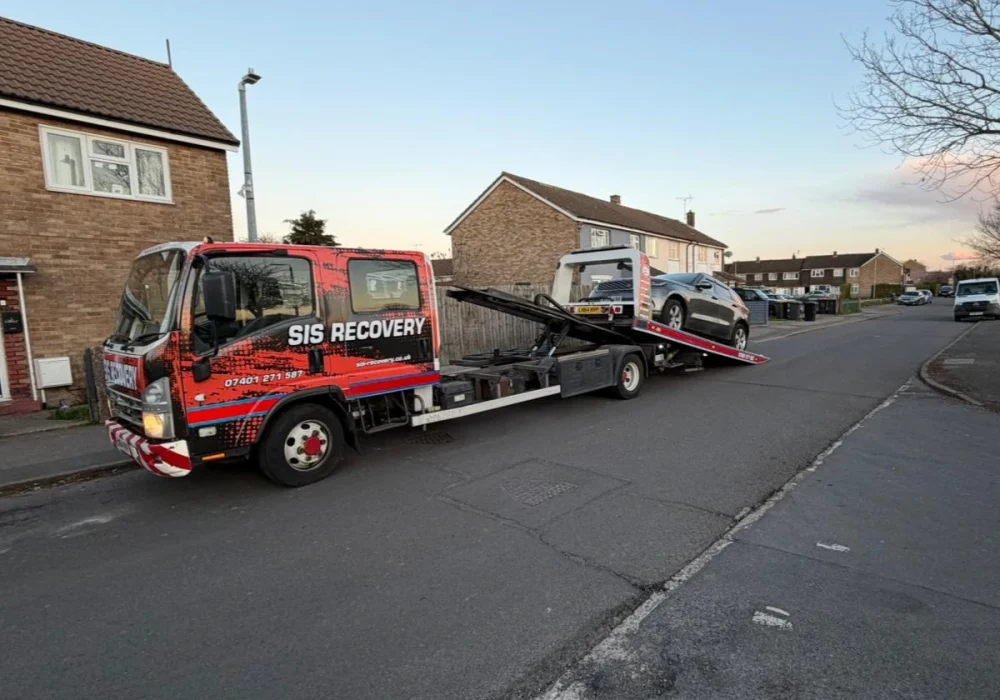
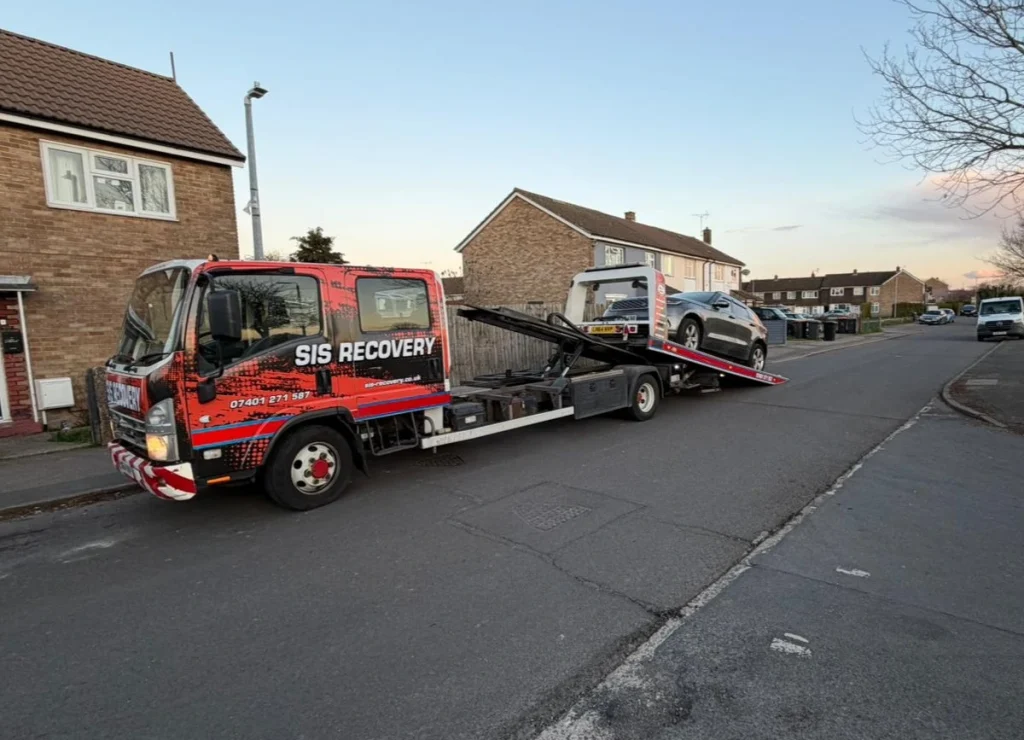
Many drivers assume that vehicle transport and vehicle recovery mean the same thing. While both involve moving a car or van from one location to another, they are actually very different services designed for different situations.
Understanding the difference between vehicle transport vs recovery can help you make the right decision, save time, and avoid unnecessary costs-especially when you need help urgently.
What Is Vehicle Recovery?
Vehicle recovery is typically required when your car is not drivable due to a breakdown, accident, or mechanical failure.
If your engine stops working, your clutch fails, or your car breaks down on the road, a vehicle recovery service is needed to safely remove your vehicle and transport it to a garage or another location.
In real situations, this could mean recovering a van with engine failure from the roadside or transporting a non-runner vehicle after an accident. These are urgent scenarios where a fast response is essential.
A vehicle recovery service is usually available 24/7 and focuses on emergency situations where immediate assistance is required.
What Is Vehicle Transport?
Vehicle transport, on the other hand, is usually planned in advance and does not involve an emergency.
This service is used when the vehicle is already in a safe location but needs to be moved elsewhere. For example, transporting a car from an auction, delivering a vehicle to a garage, or moving a car between cities.
Many customers use vehicle transport after purchasing cars from auctions like Copart, where the vehicle may not be roadworthy or simply not insured for driving.
Unlike vehicle recovery, this service is more about logistics and scheduling rather than urgency.
1. Emergency vs Planned Service
The first major difference between vehicle transport and vehicle recovery is the level of urgency.
Vehicle recovery is almost always urgent. When a breakdown happens, especially on busy roads or motorways, the situation needs to be handled quickly for safety reasons.
Vehicle transport is usually planned ahead. Customers book the service in advance, choose a suitable time, and arrange delivery based on their schedule.
2. Vehicle Condition
Another key difference is the condition of the vehicle.
Vehicle recovery is used when the car is not drivable. This includes situations such as engine failure, flat battery, accident damage, or mechanical issues.
Vehicle transport can be used for both drivable and non-drivable vehicles. For example, a car bought from an auction or a vehicle being relocated does not need to be in perfect condition.
In many cases, a non-runner vehicle collected from a private address or auction will require a flatbed truck, similar to recovery—but the intention behind the service is different.
3. Response Time
Response time is where vehicle recovery becomes critical.
When you need a vehicle recovery service, speed matters. Drivers often expect help within 30 to 60 minutes, especially in areas like Luton or on major roads such as the M1 or A5.
Vehicle transport, however, does not require an immediate response. It can be scheduled for the same day or even the next day, depending on availability.
This is why recovery services are focused on rapid response, while transport services focus on efficiency and planning.
4. Equipment and Handling
Both vehicle transport and vehicle recovery may use similar equipment, such as flatbed trucks, but the way they are used can differ.
Vehicle recovery often involves more complex situations. For example, a car may be stuck in a difficult position, involved in an accident, or completely undriveable. In these cases, additional care and equipment are required.
Vehicle transport is usually more straightforward. The vehicle is collected from a safe location and loaded onto the truck without urgency or complications.
5. Type of Service You Need
Choosing between vehicle transport and vehicle recovery depends entirely on your situation.
If your car breaks down unexpectedly, you need a fast and reliable vehicle recovery service to get you out of that situation safely.
If you need to move a vehicle from one location to another without urgency, then vehicle transport is the right choice.
For example, transporting a car from Copart to Luton or moving a vehicle to a garage after purchase is a typical transport job, while recovering a broken-down van from the roadside requires recovery services.
When Do You Need Vehicle Recovery?
You will need vehicle recovery in situations such as:
- your car won’t start
- engine or clutch failure
- breakdown on the road or motorway
- accident recovery
- vehicle stuck or unsafe to drive
In these cases, a fast response is essential to ensure safety and avoid further damage.
When Should You Choose Vehicle Transport?
Vehicle transport is the better option when:
- you bought a car from an auction
- you need to move a vehicle to a garage
- your car is not insured or taxed
- you want to relocate a vehicle long distance
This service is ideal for planned movements where timing can be arranged in advance.
Why Choosing the Right Service Matters
Understanding the difference between vehicle transport and vehicle recovery helps you avoid delays and unnecessary stress.
Calling a recovery service for a non-urgent transport job may result in higher costs or longer waiting times. Similarly, choosing transport instead of recovery in an emergency situation can be unsafe.
Working with a trusted provider ensures that you receive the right service for your situation.
If you’re unsure which option is best, you can always check our customer reviews to see how different situations are handled in real cases.
Vehicle Transport vs Recovery in Luton
In areas like Luton, both vehicle transport and vehicle recovery services are in high demand.
Busy roads, motorways, and frequent vehicle movement mean that drivers often need quick solutions—whether it’s an emergency breakdown or planned vehicle delivery.
Choosing a local provider means faster response times for recovery and more flexible scheduling for transport services.
Final Thoughts
Vehicle transport vs recovery may seem similar, but they serve very different purposes.
Vehicle recovery is designed for urgent situations where your car is not drivable and needs immediate assistance. Vehicle transport is a planned service used to move vehicles safely from one location to another.
Knowing the difference helps you choose the right service, save time, and ensure your vehicle is handled safely in any situation.
Frequently Asked Questions
What is the difference between vehicle transport and vehicle recovery?
Vehicle transport is a planned service used to move vehicles between locations, while vehicle recovery is used in emergency situations when a vehicle is not drivable.
When should I use vehicle recovery?
You should use vehicle recovery when your car breaks down, is involved in an accident, or cannot be driven safely.
Can a non-runner vehicle be transported?
Yes, non-runner vehicles can be moved using both vehicle transport and vehicle recovery, depending on the situation.
Is vehicle transport cheaper than recovery?
Vehicle transport is often more cost-effective for planned moves, while recovery services may cost more due to urgency and fast response.